Our mission
Make public life easier to understand by starting with something you already recognize; and following it into the systems, evidence and people behind it.
No, Pero Why? is a media platform for grades 6–12. We start with the culture and everyday moments you know, then investigate the laws, policies and decisions behind them.
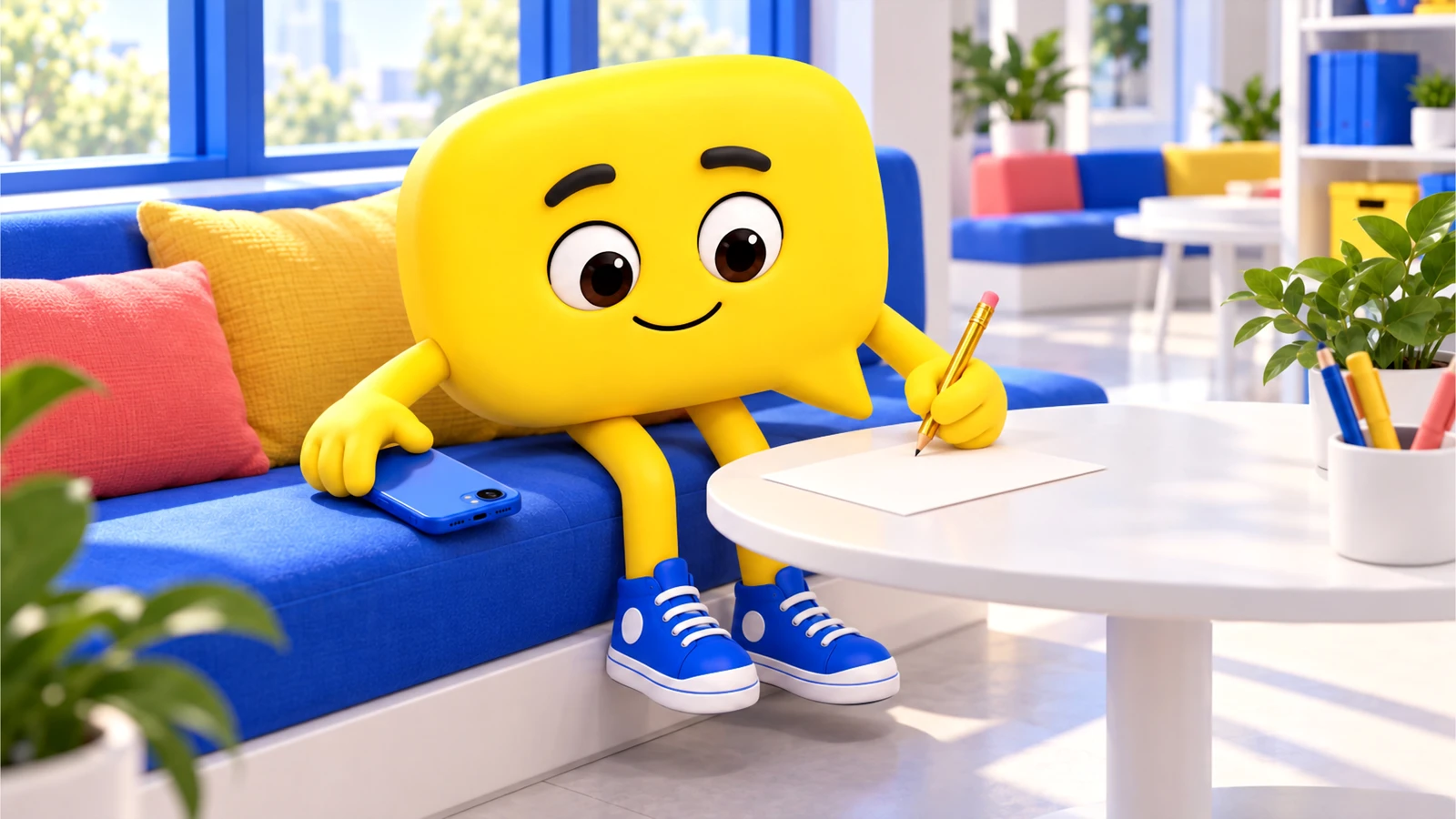
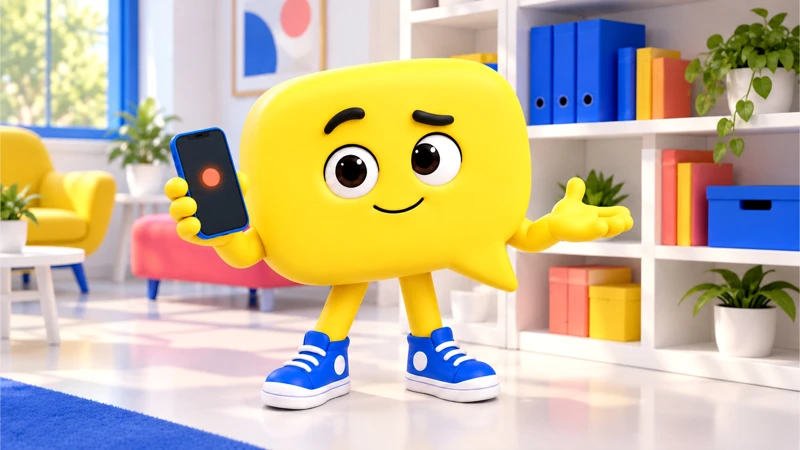 DudaQuestions
Phone face-down, pencil out. The project runs on one habit: ask before you share.
How learning worksBlack and Puerto Rican perspectives shape our voice. English and Spanish move through the conversation. Pop culture, nostalgia and New York City life give the stories their texture.
Mateo is Puerto Rican and Cape Verdean, from New Bedford. Gia is African American and Italian, from Fort Greene, Brooklyn. They met in Children, Youth, and Digital Culture at a college in New York. Their friend Mari brings her perspective from Vieques. The crew shares questions, not one point of view.
You join them in a moment with something at stake: a test, a paycheck, a public statement, a rule. Then you look for the evidence and work out what you think.
Meet Gia, Mateo and the crew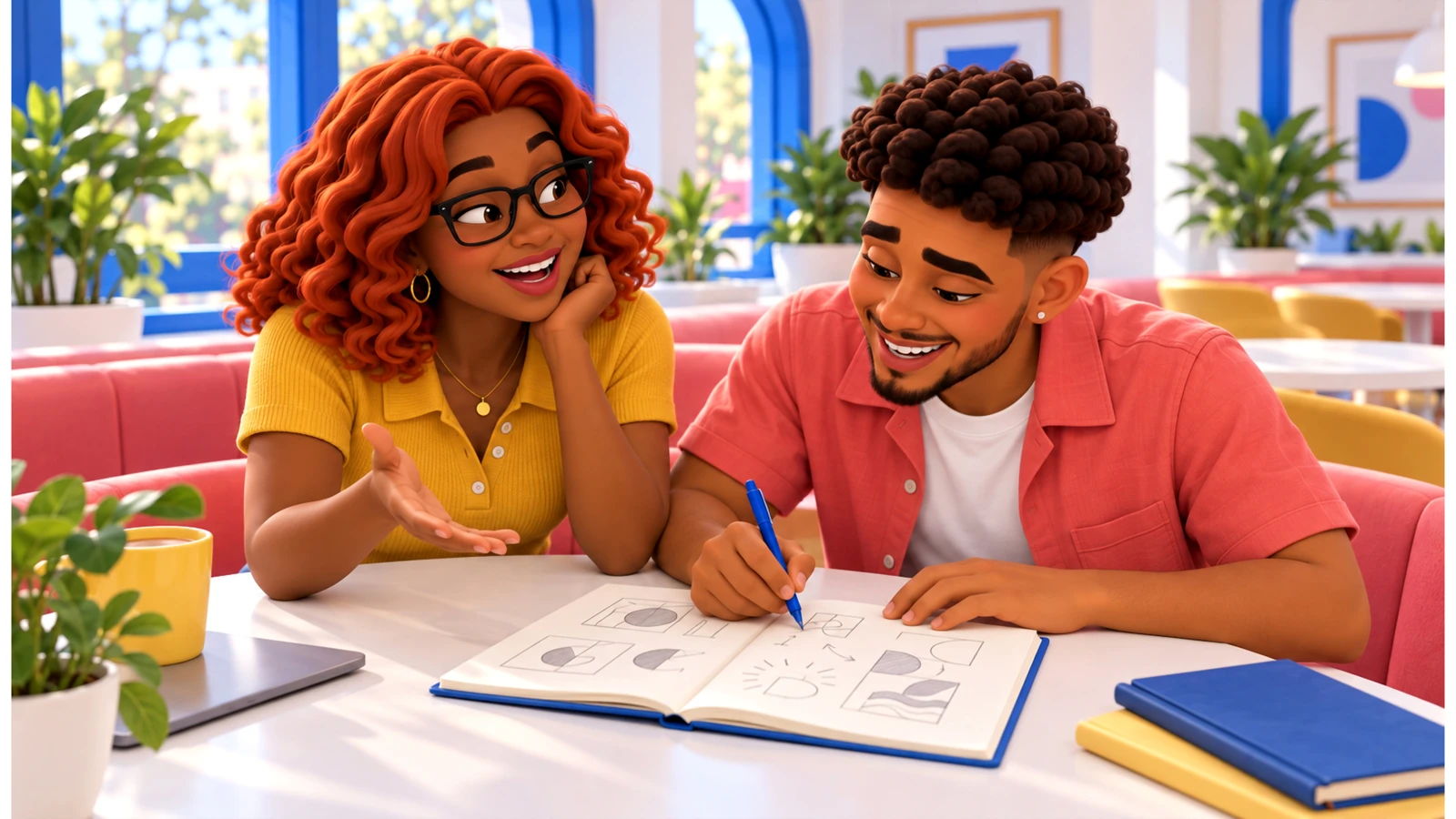
It’s the moment an explanation skips the part you needed. “Pero” means “but.” Hold on. Go back. Why does it work that way?
You don’t need to speak Spanish or know the vocabulary to join the conversation.
No, Pero Why? is a media platform for people grades 6–12. We use pop culture, nostalgia and stories from everyday life to unpack the laws, policies and public decisions already affecting you.
Public relations, journalism, communication strategy, law, policy, sociology, education and creativity shape how we investigate and explain. You bring the question. We help you get enough context to form a view and decide what comes next.
Make public life easier to understand by starting with something you already recognize; and following it into the systems, evidence and people behind it.
A generation that can recognize a policy issue, ask who has the power to act, explain a position and participate on its own terms.
Creator of No, Pero Why?
Young people already care. We talk about rent, school rules, our first jobs and what’s happening online. What often goes missing is the system behind the experience.
I want this platform to help close that gap. You shouldn’t have to know a lawyer or study political science to understand a decision that affects you. A familiar story can open the conversation; good research has to carry it further.
That’s why culture has to earn its place here. The reference should help explain the idea, and the explanation should leave you able to ask your own questions.
Some people grow up knowing which office to call, what a form means or how to ask for support. Others meet the system for the first time while a problem is already happening.
Our equity commitment is to make information understandable and useful, with particular attention to communities whose questions and experiences are too often left out. Black and Puerto Rican perspectives shape the voice of this platform. The invitation is open to everyone.
In practice: explain unfamiliar terms, offer readable and listenable routes, keep paid tools optional, make space for disagreement and never ask one person to speak for a whole community.
How we handle sources, corrections and independenceSchool, work, your feed, your community. The same collection is open to everyone. Start with a familiar scene, then follow the evidence or take on the deeper professional assignment.
Explore all the storiesEducators, families, student groups, libraries and community organizations can use the cases as a starting point for conversation and making.
Mateo checks where a story started. Gia asks whose perspective is missing. Neither gets the whole picture alone.
Meet the people behind the conversation“Hold up. Who posted the original?”
“Wait. What did the full notice say?”